
You have 0 items in your cart

Understanding the Gaps: Why UK Horse Racing Isn’t Always on
Horse racing is a sport steeped in tradition and enthusiasm, captivating audiences throughout the UK. However, there are instances when anticipated races are unexpectedly off the schedule. Understanding these gaps can be essential for both fans and punters. In this article, we delve into the reasons behind the absence of horse racing events and discuss ways to stay informed and engaged with the sport, including resources like UK horse racing not on GamStop equifacs.co.uk.
The Impact of Weather on Racing
One of the most significant factors that can lead to horse racing events being canceled or postponed is adverse weather conditions. Rain, snow, or frosty temperatures can affect track safety, and officials prioritize the well-being of horses and jockeys. Besides, heavy rainfall can lead to waterlogged tracks, making them unsuitable for racing. The safety of horses and riders is paramount, and officials will often err on the side of caution when conditions are questionable.
Racecourse Maintenance
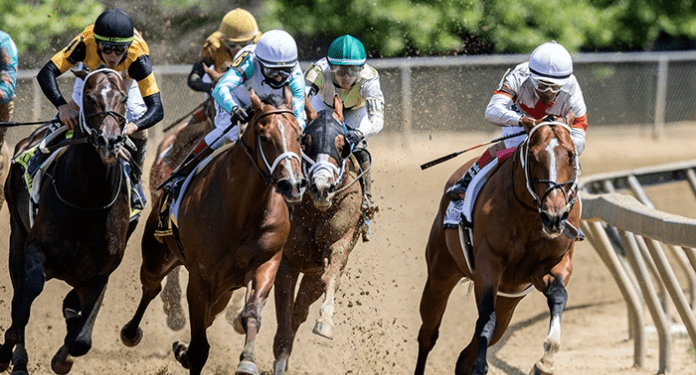
Regular maintenance is crucial to ensure racecourses remain in optimal condition. Sometimes, planned maintenance can lead to temporary closures, affecting scheduled events. Racecourses require care and proper treatment of the turf to sustain high standards for racing. This can lead to cancellations if the maintenance is extensive or if unforeseen issues arise during the upkeep.
Injury and Health Issues
Horses, like all athletes, can suffer from injuries or health issues that can affect the race schedule. If a significant number of horses are unable to participate due to health considerations, races may be called off or rescheduled. Equally, if a prominent horse sustains an injury, it can lead to a ripple effect impacting other horses and their associated races.
Government Regulations and Restrictions
The UK government may place restrictions or regulations on horse racing based on numerous factors, including public health and safety considerations. Historically, we have seen how external circumstances (like the COVID-19 pandemic) led to widespread cancellations and delays in racing schedules. Adapting to these regulations is crucial for the industry, sometimes necessitating significant changes to how and when races are conducted.
Financial Implications and Sponsorship Issues
Sometimes, races get canceled or postponed due to financial constraints. Sponsorship plays a vital role in the execution of race days. If sponsorship falls through, the race may not attract enough funding to proceed, leading to cancellation. Several minor and major races depend heavily on sponsorship arrangements to manage logistics, prize funds, and logistics.
Lack of Entries
If there are not enough entries for a particular race, it may also result in cancellation. This is particularly prevalent in lower-profile races. The viability of a race often depends on having a competitive field. Authorities may opt to cancel events lacking adequate participation to maintain the sport’s integrity and appeal.
Understanding the Betting Landscape
For enthusiasts, betting is an exciting element of horse racing, and absentee races can alter the betting landscapes. Whether it is due to cancellations or rescheduling, understanding changes in racing events can impact betting strategy. A good practice is to remain engaged with platforms that provide timely updates and news, such as equifacs.co.uk, to ensure you stay informed about upcoming events and betting opportunities.
The Role of Technology in Keeping Fans Informed
With advancements in technology, staying up-to-date with the racing calendar has become easier. Updates are widely available across various mediums, including social media, official racing websites, and dedicated racing apps. These tools help fans track when races are on and any potential changes to scheduled events. Furthermore, real-time alerts can help ensure that fans never miss a race they want to watch or bet on.
Conclusion
While the excitement and thrill of horse racing remain ever-present, it’s essential to understand that various factors can lead to racing events being less predictable. Weather conditions, course maintenance, health issues, government regulations, financial constraints, and lack of participation are all significant reasons why races might not occur as planned. Regardless of these challenges, the racing community remains robust, and with the right resources and updates, fans can continue to enjoy and engage with this beloved sport.