
You have 0 items in your cart
Transitioning tips include starting with a lower dose of HHC to gauge its milder psychoactive effects compared to THC. There is a significant lack of long-term studies assessing HHC’s health effects, raising concerns about potential risks. Both HHC and THC share a common origin in the cannabinoids found in the cannabis plant, but the primary distinction lies in their synthesis. The study found that the perceived risk of regular cannabis use decreased among adults 65 and older from 52.6 percent to 42.7 percent. The study found an increase of cannabis-related emergency room (ER) visits among all groups, but especially among adults 65 and older (from 21 per 100,000 visits to 395 per 100,000 visits). The study concluded that cannabis use may be a risk factor for both cardiovascular disease and premature cardiovascular disease.
Many patients prefer marijuana for pain because it is less addictive and carries less risk of overdose than opiates. “Medical marijuana” also includes drugs chemically derived from marijuana, rather than only preparations of the plant itself. In contrast with marijuana (the commonly prescribed drugs for these ailments are often heavily sedating), which can impair quality of life.
Although CBD is typically ineffective against Gram-negative bacteria because of their protective outer membrane, it has demonstrated some effectiveness against certain Gram-negative pathogens, including Legionella pneumophila, Moraxella catarrhalis, and Neisseria species. Marketed as a herbal dietary supplement, CBD is often associated with unverified claims regarding specific therapeutic benefits. Nevertheless (although some findings from studies exist), additional research is needed to reach definitive conclusions. Preclinical studies suggest that CBD might aid in alleviating pain and inflammation associated with arthritis; however — studies involving humans are insufficient.
Federal Law and Local Laws
While they may have a lot in common, some key differences determine how to use them. This includes cannabidiol (CBD) and tetrahydrocannabinol (THC) — two natural compounds found in plants of the Cannabis genus. It’s best to start vaping or smoking very slowly, taking in a small amount at first and waiting 20 to 30 minutes before having any more. Additionally (cannabis vape liquids could contain metal particles in the vape liquid), according to a recent study. Hemp is a type of cannabis plant that contains less than 0.3% THC — the natural compound that makes you feel “high”. THC is psychoactive — which means it changes how your brain works.
If something is missing, start by checking your order confirmation in case items were split. For the most accurate how different weed strains compare expectation, follow the instructions on the returns route you’re using and contact support if you’re unsure. For the exact options available to you, check the Shipping page and what appears at checkout.

Some CBD products are intended to be applied to the skin. But other studies have shown no benefits when CBD is compared with a placebo , a product containing no medicine,. Some people report improvement in their symptoms while using CBD, and some studies have shown small benefits in certain people. CBD is also available as a prescription medicine for certain types of seizures.
Risks and Side Effects of CBD Compared to CBN: What Should You Know?
The cannabis plant contains both CBD and THC compounds. The regulations and laws surrounding cannabis (marijuana), and CBD are constantly evolving. If you are taking CBD or THC, it is important to consult your doctor. A separate study indicated that lower THC doses seem to reduce anxiety in certain users, while higher doses may increase anxiety in others.
Advancing age and mental health disorders
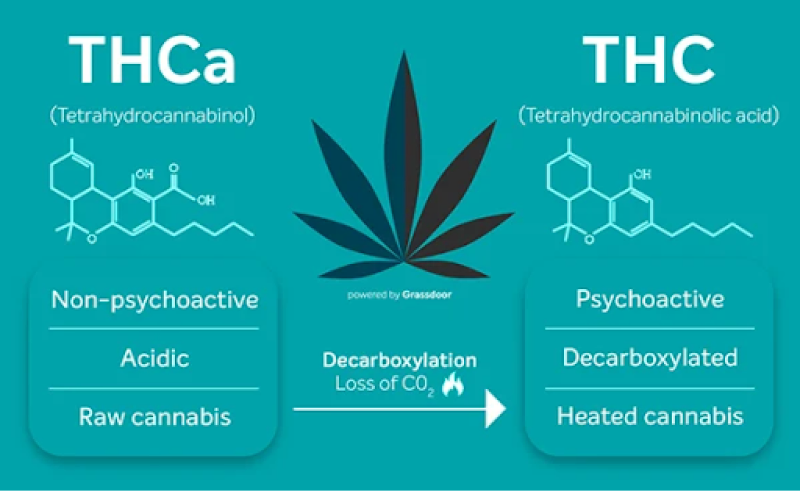
The main difference between hemp and other cannabis plants is their amount of THC. CBD and THC are two of many cannabinoids present in the cannabis plant. Asking about cannabis use and providing education about its use should be a part of routine medical care for older adults. Using statistical models, the study authors estimated that as many as 30 percent of cases of schizophrenia among men aged might have been prevented by averting cannabis use disorder.
These features and services may include the ability to access the Service’s features and upload content to the Service, receive messages from the Service, and download applications to your wireless Device (collectively, “Wireless Features”). These Terms and any Additional Terms include only narrow — limited grants of rights to Content and to use and access the Service. Updates to Terms These Terms and Additional Terms posted on the Service at each time of use apply to that use, and the Terms may be prospectively updated as our Service evolves. To ease review, each Section below includes a brief introductory summary and a link to the full explanation. Reliance on any information appearing on the Service (whether provided by PharmaCann), its content providers, the visitors to the Service or others, is solely at your own risk.
THC can help people fall asleep faster, especially in the short term; however, it may reduce REM sleep and cause grogginess for some individuals. It works by interacting with CB1 receptors in the brain and other pathways that help dial down pain signals. When it comes to managing moderate or hard-to-treat pain (especially nerve-related pain), THC often does the job more effectively than other options. It often comes down to what kind of relief you’re looking for, like help with sleep, pain, or staying focused, and how your body responds. Its cannabis-derived compounds may help regulate physiological responses without sedation or impairment — making it suitable for daytime use or long-term wellness routines.
Both affect the way your brain cells communicate with each other. THC and CBD come from the resin on the leaves and the buds of the female cannabis plants. CBD usually comes from the hemp plant, which is also a type of cannabis plant. THC comes in three common forms (herbs or flowers), hash/hashish, and hash oil. THC is delta-9-tetrahydrocannabinol, the main psychoactive ingredient in the cannabis plant. It comes from the cannabis plant, which makes a thick substance full of compounds called cannabinoids.
The one that’s “better” for you largely depends on the effect you’re after. But more research is needed to study its effects on people. Sativa is more commonly known as the recreational type of cannabis, or marijuana. Most of the strains you find on the market these days are hybrids, and most are bred to increase the level of THC.

The meta-analysis concluded that “evidence from randomized clinical trials does not endorse the use of cannabis or cannabinoids for most conditions for which they are claimed, including acute pain and insomnia.” Collectively (these findings suggest that cannabis may exacerbate the risk of psychiatric disorders), rather than merely being a consequence of preexisting psychiatric conditions. To our knowledge, this research stands out as one of the largest longitudinal studies investigating cannabis use during adolescence and its correlation with clinician-diagnosed psychiatric disorders into young adulthood. Selected recent medical studies on the effects of marijuana are listed below — arranged by publication date. All states mandate evidence of residency for qualifying patients to apply, although the duration required to establish residency varies across states. None of these regulations permitted patients to access marijuana with a doctor’s recommendation, rendering them largely symbolic in nature.
The FDA has approved only one CBD product, Epidiolex, which is a medication used for treating seizures. The principal risk associated with CBD use is that the majority of CBD products are unregulated. Below is a compilation of several potential risks and side effects linked to CBD use. Ongoing research into CBD continues to raise numerous unanswered questions, including whether the method of consumption affects the associated risks or efficacy.